The single most useful thing to understand about Sri Lanka is that it does not have one dry season — it has two, and they sit on opposite sides of the island. Get that right and you can travel here any month of the year in sunshine. Get it wrong and you spend a week watching rain from a hotel balcony while the other coast is perfect.
The two monsoons, explained simply
The Yala monsoon brings rain to the south and west from roughly May to September. The Maha monsoon brings rain to the east and north from roughly October to January. Between them sit two short inter-monsoon periods (March–April and October–November) when brief afternoon thunderstorms can appear anywhere, usually clearing within an hour.
In practice this means the classic route — Colombo, Kandy, the hill country, Yala and the south coast beaches — is at its best from December to April. If you are travelling between June and September, flip the itinerary east: Trincomalee, Pasikuda, Arugam Bay and the Cultural Triangle stay dry and sunny.
Month by month at a glance
- December to March — peak season. Dry, sunny south and west coasts, clear hill country mornings, best whale watching in Mirissa. Book accommodation early.
- April — hot and humid, but still largely dry. Sinhala and Tamil New Year in mid-April means festive towns and some closures.
- May to June — the south-west turns wet, prices drop sharply, and the east coast opens up. Excellent value if you head to Trincomalee or Arugam Bay.
- July to August — Arugam Bay surf season, Kandy Esala Perahera, dry Cultural Triangle. Busy with European travellers.
- September to October — quieter shoulder period, lush landscapes, occasional heavy showers island-wide.
- November — transition month. The east winds down, the south dries out, and rates are still low before December.
What the weather means for each experience
Whale watching off Mirissa runs from November to April, with December to March the most reliable. Blue whales come remarkably close to shore here.
Yala and Udawalawe safaris are good year-round, but February to July is the dry season when animals concentrate around waterholes — the best months for leopard sightings. Yala Block 1 usually closes for maintenance around September and October.
Hill country hikes such as Adam's Peak (December to May) and Horton Plains are clearest before 9am, when the escarpment at World's End is not yet in cloud.
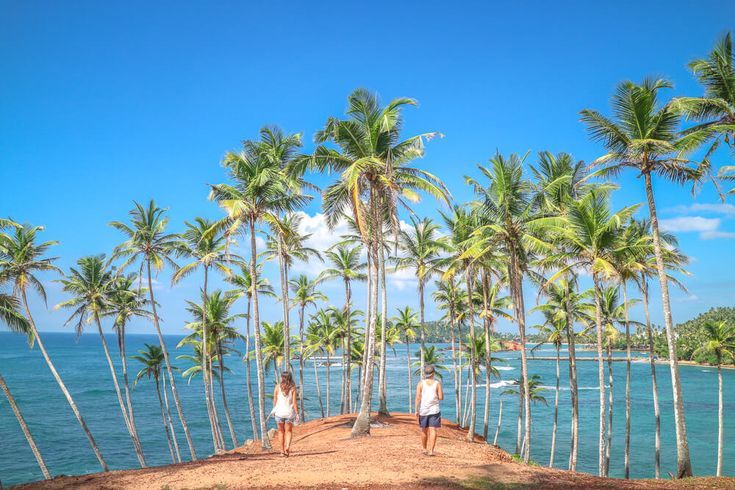
Surfing has two homes: Weligama and Hikkaduwa in the south from November to April, Arugam Bay in the east from May to September.
How long you actually need
Sri Lanka is small — about the size of Ireland — but the roads are slow. Ten days is comfortable for the classic loop, seven days is possible if you fly in and out of Colombo and skip either the hill country or the safari parks, and fourteen days lets you add the east coast or Jaffna without rushing.
As a rule, allow no more than one big transfer day in three. A private driver-guide makes this far more efficient than public transport, because the driving time between highlights is where most of a Sri Lanka itinerary is quietly lost.
Frequently asked questions
- What is the overall best month to visit Sri Lanka?
- February is the safest single choice: the south and west coasts are dry and sunny, hill country skies are clear, safari season is underway and whale watching is at its peak.
- Is it worth visiting Sri Lanka during the monsoon?
- Yes, if you follow the dry coast. Monsoon rain in Sri Lanka is usually intense but short, and travelling in the low season on the opposite side of the island means fewer crowds and noticeably lower prices.
- Which side of Sri Lanka is dry in July?
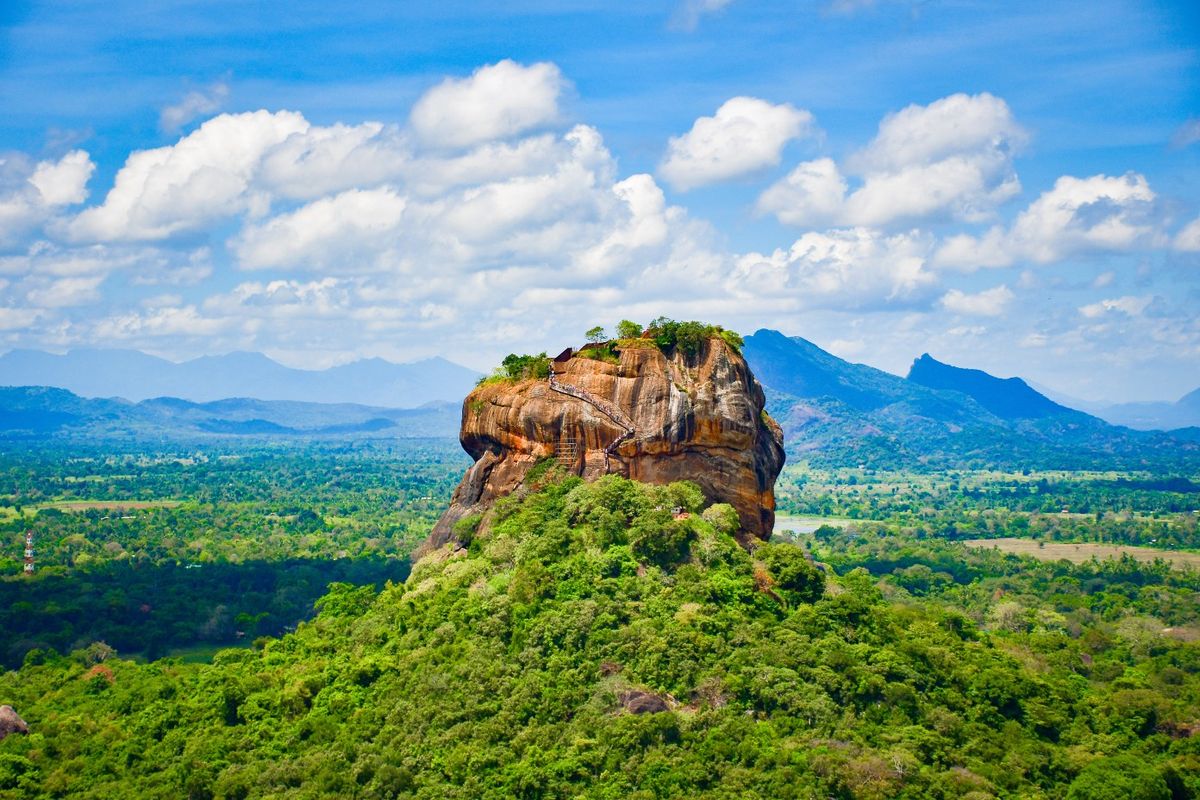
- The east and north — Trincomalee, Pasikuda, Arugam Bay and Jaffna — plus the Cultural Triangle around Sigiriya, Dambulla and Polonnaruwa.
Want this planned for you?
Local drivers, private vehicles and itineraries built around your dates.
Best Time to Visit Sri Lanka: A Month-by-Month Guide
Tell us your dates, interests and budget — we'll design a tailor-made Sri Lanka itinerary around them and reply with a clear quote within 24 hours.
Start your inquiryOr chat on WhatsAppWe reply within 24 hours · No deposit needed to enquire